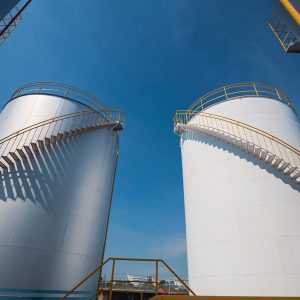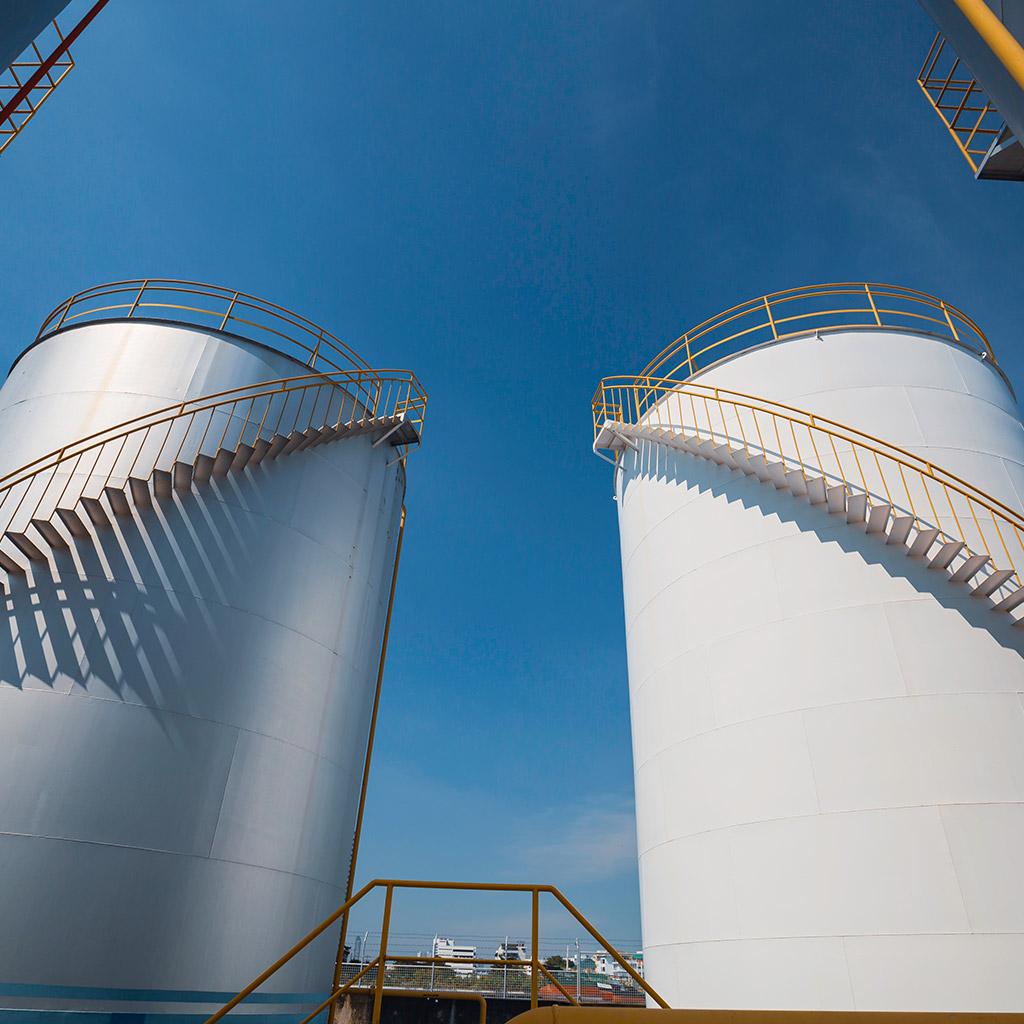
Storage tanks face pressure, corrosion, temperature changes, and demanding operating conditions throughout their service life. Preparing a facility for inspection helps teams spot concerns early, organize records, and present equipment in an orderly condition. A structured inspection routine also supports safer operations and reliable tank performance. Here is how API 653 preparation starts.
Review previous inspection records
Start by collecting previous inspection reports, repair documents, thickness readings, tank drawings, inspection photographs, and maintenance records. Compare earlier findings with current operating conditions and note areas that received repairs or showed corrosion.
Check inspection intervals and previous recommendations against current facility records. A complete document set gives inspectors useful background before they examine the tank.
Inspect the tank exterior
Walk around the tank and inspect the shell, roof, bottom area, nozzles, manways, stairs, platforms, and structural attachments. Look for visible corrosion, coating damage, leaks, distortion, cracks, damaged insulation, or loose components.
Remove dirt and debris from important inspection areas so inspectors can see surfaces clearly. Mark questionable locations and record their positions for easy reference.
Check internal inspection readiness
Prepare the tank for internal inspection according to the approved facility procedure. Drain, isolate, clean, and ventilate the tank before personnel enter the confined space. Remove residue that could hide corrosion or surface damage.
Confirm that lighting, access equipment, gas monitoring, ventilation, and rescue arrangements meet site safety requirements before inspection activities begin.
Verify thickness measurement data
Gather previous ultrasonic thickness measurements and organize readings by tank location. Inspectors use these records to assess metal loss and corrosion trends. Check that measurement points remain identifiable and that current readings follow a consistent reference system.
Arrange qualified personnel and suitable inspection equipment when fresh measurements form part of the inspection scope.
Check safety systems and access
Inspect ladders, stairways, platforms, handrails, walkways, manways, and other access points before the inspection begins. Repair damaged components and remove obstructions from inspection routes.
Review isolation procedures, confined space controls, electrical safety measures, and emergency arrangements with the responsible team. Safe access allows inspectors to examine relevant areas without unnecessary delays.
Collect welding records, repair procedures, material certificates, non-destructive examination reports, engineering evaluations, and alteration documents. Match each record with the relevant tank or component. Verify that repair information remains clear and traceable. Presenting organized evidence helps inspectors understand previous work and evaluate the tank’s current condition with accurate supporting information.