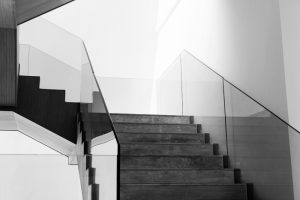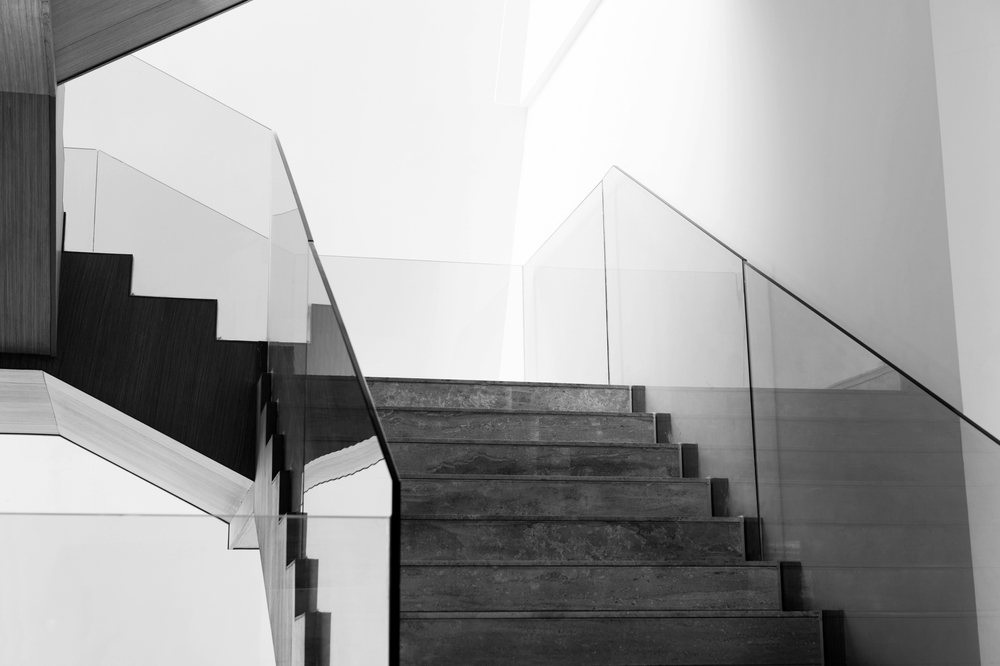
Glass railings combine a clean appearance with practical safety, but their long-term performance depends on more than the glass itself. Supporting materials, hardware, coatings, and installation methods all affect how a railing handles daily use, moisture, temperature changes, and general wear.
Different material combinations can deliver different levels of strength and longevity, which makes material selection an important part of any glass railing project.
Stainless steel frames
Stainless steel stands out for its resistance to rust, corrosion, and everyday wear. Grade 304 works well in many indoor and sheltered areas, while Grade 316 offers stronger protection in coastal or humid environments. Its smooth surface also gives railings a polished appearance with limited upkeep.
Stainless steel supports thick glass panels securely and handles regular contact without losing its structural qualities. For homes, hotels, offices, and premium commercial spaces, this material offers a reliable balance between strength and appearance.
Aluminium framing
Aluminium provides a lightweight option for railing systems while offering useful resistance to corrosion. Its lower weight makes handling and installation easier during construction. Powder coating or anodizing adds surface protection and provides several finish choices for modern interiors and exterior areas.
Aluminium works particularly well where designers want clean lines without heavy visual framing. It suits balconies, staircases, terraces, and contemporary commercial spaces. Although aluminium offers good durability, it has lower structural strength than stainless steel, so engineers select suitable profiles and thicknesses according to panel size, loading conditions, and installation details.
Mild steel construction
Mild steel offers high strength and works well for projects that require robust railing support. Its main limitation involves corrosion protection because untreated steel reacts with moisture and air. Protective coatings such as galvanizing or powder coating help shield the surface from rust.
Mild steel can also be fabricated into custom shapes, making it useful for projects with specific structural or design requirements. Indoor applications generally present fewer corrosion concerns, while outdoor installations benefit from stronger protective finishes and regular surface inspections.
Comparing long term durability
Material selection should match the environment, structural demands, design goals, and maintenance routine. Stainless steel provides excellent corrosion resistance and a refined appearance. Aluminium offers low weight and dependable corrosion resistance, while mild steel delivers impressive strength with added coating requirements.
Glass thickness, hardware quality, fixing methods, and professional installation also influence overall performance. A suitable combination of glass and supporting materials gives the railing system lasting stability, clean aesthetics, and dependable everyday performance.