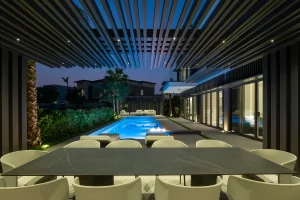
A high-quality interior render can make a digital space feel remarkably close to the finished room. Achieving that level of detail, however, requires far more than adding textures and lighting. Material properties, shadows, reflections, camera angles, furniture details, and subtle imperfections all work together to create a convincing visual.
This article breaks down how a 3D rendering agency makes photorealistic interiors and shows how these visuals can help you assess design details, communicate ideas clearly, and make confident decisions before construction begins.
Studying the interior concept
Artists begin by examining floor plans, elevations, material references, furniture selections, and design notes. They study proportions and spatial relationships before building the digital scene. This stage helps them place walls, ceilings, windows, doors, furniture, and decorative elements accurately.
Building realistic materials
Realistic materials give an interior image its visual character. Artists select detailed textures that match wood grain, stone patterns, fabric surfaces, glass, metal, marble, and painted finishes. They adjust roughness, reflection, colour, scale, and surface detail until each material reacts naturally to light. Small imperfections also add realism, helping digital surfaces resemble their physical counterparts.
Setting natural lighting
Lighting controls the mood and depth of a rendered interior. Artists position sunlight, ceiling fixtures, wall lights, lamps, and ambient illumination according to the room design. They study how light interacts with different materials and surfaces. Soft shadows, balanced highlights, and realistic reflections help furniture and architectural details appear grounded within the scene.
Choosing the right camera
Camera placement gives viewers a clear perspective of the interior. Artists select angles that show important architectural details while maintaining natural proportions. They adjust focal length, height, framing, and composition to produce a convincing view. A well-positioned camera also helps clients inspect furniture layouts, circulation areas, finishes, and decorative details without visual distortion.
Adding lifelike details
Small details give photorealistic interiors a convincing finish. Artists add cushions, curtains, books, plants, artwork, rugs, accessories, subtle reflections, and realistic surface variations. They also refine edges and shadows so objects sit naturally within the room. These details prevent scenes from appearing sterile and give viewers a richer sense of the proposed interior.
Artists review the rendered image at high resolution and adjust lighting, textures, reflections, shadows, colour balance, and geometry. They compare the result against the original design references and correct visual inconsistencies. Rendering software then produces a detailed final image suitable for presentations, marketing campaigns, design reviews, and client approvals. This workflow turns technical interior data into persuasive visual communication.