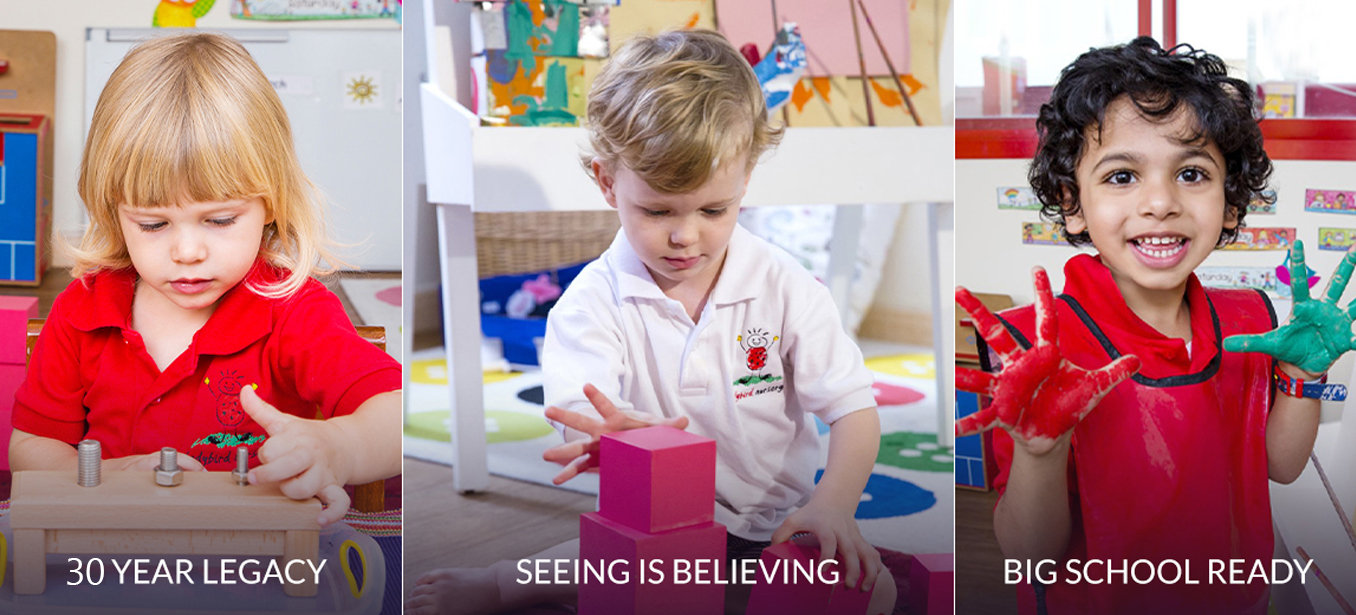
Curious minds grow quickly during the early years. Young children ask questions, watch closely, and enjoy fresh experiences each day. Skilled teachers welcome that natural interest with meaningful activities that spark imagination and joyful discovery. Classrooms stay lively with stories, games, music, art, and hands-on learning. Parents value this warm approach because it supports happy growth in a British nursery in Jumeirah.
Encouraging questions:
Teachers welcome questions with patience and enthusiasm. Instead of giving quick answers, they invite children to think, guess, and share ideas. This habit helps children build confidence while learning. Simple conversations during story time, snack time, and play help young learners express thoughts with ease.
Learning through play:
Play gives children endless chances to discover something fresh. Teachers set up fun activities like puzzles, building blocks, pretend games, painting, and outdoor exploration. Each activity introduces fresh ideas while keeping children interested. Young learners laugh, experiment, and solve simple problems during play, making learning enjoyable from morning until home time.
Using stories and creative activities:
Books, songs, and creative projects capture children’s attention. Teachers read with expression, ask simple questions, and encourage children to predict what happens next. Art sessions invite children to paint, draw, cut, and glue while sharing ideas with classmates. Music and movement also fill the classroom with energy and imagination.
Supporting independent thinking:
Teachers give children small choices throughout the day. A child selects a book, chooses art materials, or picks a game with friends. These simple moments’ help children think for themselves. They learn that their ideas matter and that trying something fresh is exciting. Small successes build confidence and inspire fresh discoveries.
Connecting learning with everyday life:
Teachers relate classroom lessons to familiar experiences. They talk about weather, plants, animals, food, and family activities. Children quickly connect new ideas with daily life because the topics match things they already see around them. Outdoor walks, simple science activities, and nature observations keep curiosity alive inside and outside the classroom.
Children learn best in a welcoming classroom filled with kindness and encouragement. Teachers smile, listen, and celebrate small achievements each day. Positive relationships help children speak freely, ask questions, and join group activities with confidence. As curiosity grows, children develop a lasting love for learning that stays with them throughout their early education.