A sudden jolt of pain from a cold drink or a warm soup can ruin any meal. That sharp sting shoots deep into the nerve endings, making eating feel like a risk. Sensitive teeth affect daily comfort without warning. The triggers hide in plain sight sweet treats, cold air, or even a toothbrush.
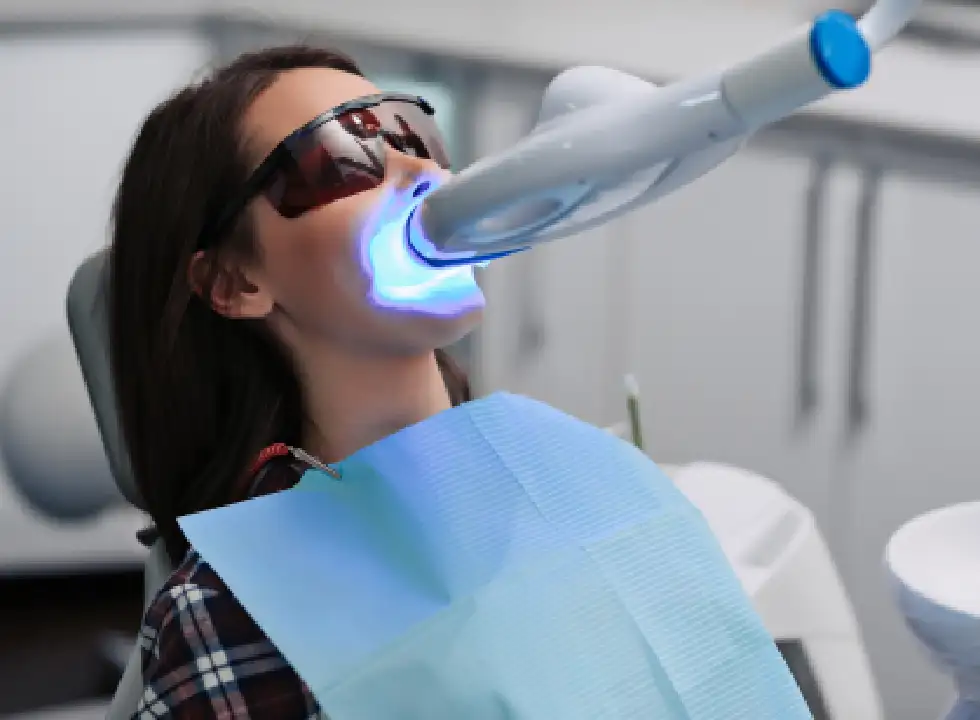
Fixing this problem starts with finding the real cause. Consider professional teeth whitening Abu Dhabi as one possible solution after treating sensitivity.
Why sensitivity happens:
Enamel serves as a hard shield for inner dental nerves. Over time, this protective layer wears down due to acidic foods or aggressive brushing. Once enamel thins, microscopic channels open toward nerves inside. Cold air, hot coffee, or sugary treats travel deep into these pathways. Exposed roots also lack enamel coverage, making them prone to quick, painful reactions.
Acidic food habits:
Frequent intake of soda, citrus fruits, or sour snacks eats away at tooth surfaces. Acids soften enamel, making it porous and weak. Avoiding these items helps stop further erosion. Rinsing the mouth with water after meals washes away lingering acid, keeping surfaces neutral. Protecting enamel remains vital for long-term comfort.
Aggressive brushing habits:
Forceful scrubbing damages gums and erodes protective layers. Bristles should be soft to avoid harming delicate tissues. Hard scrubbing pushes gums back, exposing sensitive root areas. Using gentle, circular motions cleans effectively without causing damage. Proper technique preserves both gums and enamel, ensuring a sturdy foundation for every single tooth.
Gum recession factors:
Gum tissue protects the base of teeth. When gums pull away, sensitive spots become vulnerable. Aging, genetics, or gum disease cause this shift. Once roots lose their cover, they react to any changing temperature. Keeping gums healthy prevents recession and reduces sensitivity. Regular checkups spot these changes before issues grow larger.
Dental care routines:
Choosing specific toothpaste for sensitivity changes daily comfort levels. These pastes block tiny channels within enamel, preventing triggers from reaching nerves. Consistent use builds a protective barrier over time. Combining this with soft bristles creates an ideal defense. Patience remains key, as relief builds gradually with each brushing session.
When to seek help:
Persistent pain signals deeper issues like decay or fractures. If discomfort lasts beyond a few days, a professional inspection proves necessary. Dentists identify hidden cracks or cavities early. They offer treatments like fluoride varnishes or sealants to fortify tooth structures. Quick action stops pain from worsening, maintaining dental health effortlessly.