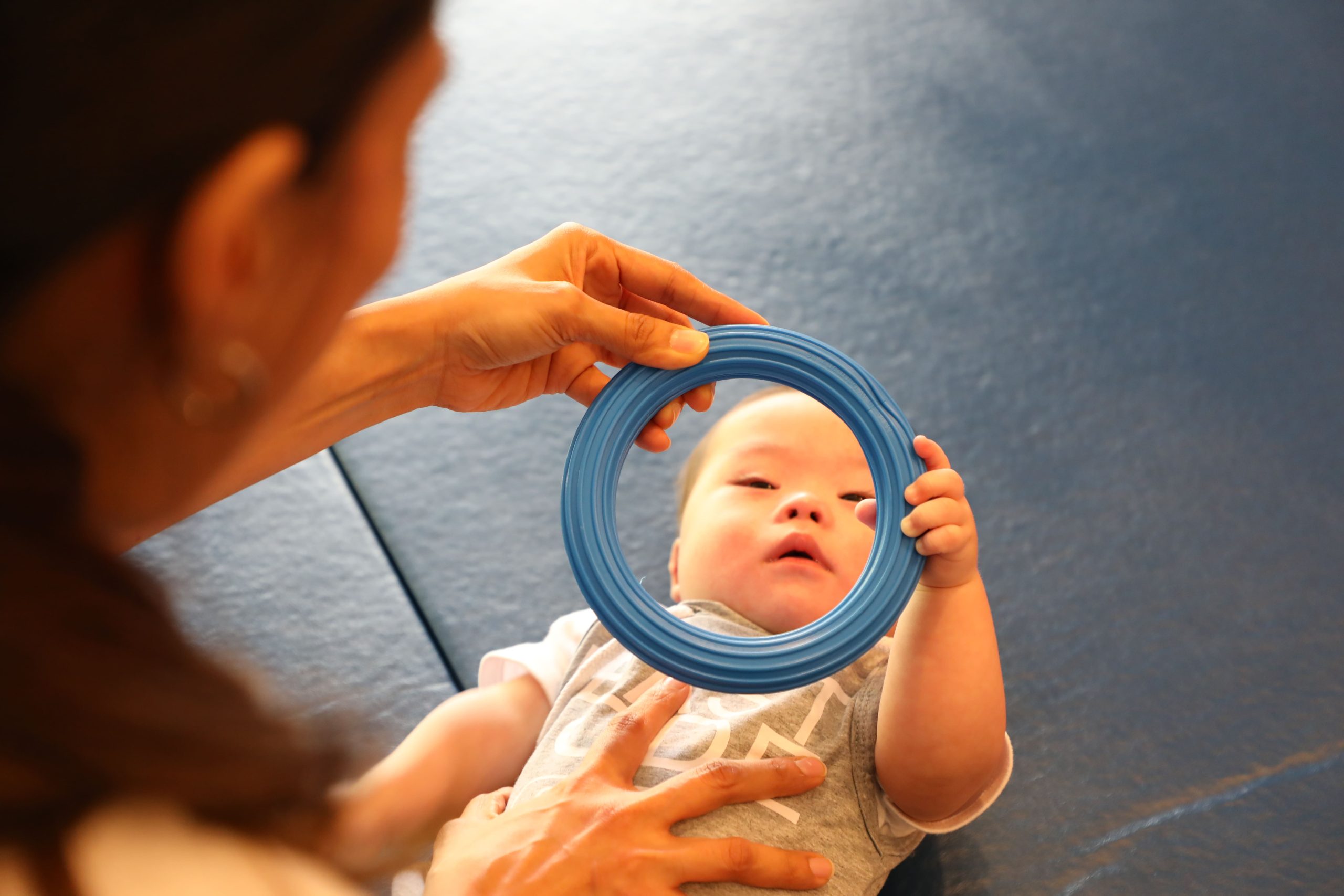
The early years of childhood bring rapid growth, learning, and physical development. Some children experience delays with sitting, crawling, walking, balance, coordination, or muscle control. Early support gives them useful skills at the right stage of development. With suitable exercises and guidance, children gain stronger movement patterns and greater confidence in daily activities. This makes pediatric physiotherapy Dubai a valuable part of early childhood support.
Stronger movement from an early age
Young children learn physical skills as they play, explore, and interact with their surroundings. Physiotherapy helps improve muscle strength, flexibility, balance, posture, and coordination. A therapist selects exercises that match the child’s age and abilities. Simple activities such as reaching for toys, standing with support, stepping over soft objects, or kicking a ball can support physical development. These exercises also make therapy enjoyable and familiar for children.
Support for everyday activities
Movement skills affect many parts of a child’s day. Sitting comfortably helps during meals and classroom activities. Good balance supports play. Strong muscles help with climbing, walking, running, and getting up from the floor. Early physiotherapy gives children practical skills for these daily tasks. Therapists also guide parents with simple activities that fit into home routines. Regular practice helps children use their new skills during real-life activities.
Building confidence through movement
Physical challenges may make some children hesitant during play. A child who struggles with balance may avoid climbing or running with friends. Therapy provides safe opportunities to practise these activities at a comfortable level. As children gain better control over their bodies, they may become more willing to explore and participate. Each small achievement gives them confidence and encourages active play.
Reducing future physical challenges
Early support may help prevent small movement difficulties from becoming larger problems. Therapists identify areas that require support and introduce exercises to address them. Better posture, balance, flexibility, and strength may support healthy physical development as children grow. Early guidance also helps parents recognise useful movement patterns and practical activities for home.
Helping children participate fully
Children learn through movement. They run, climb, jump, reach, and play with others as part of normal childhood activities. Physical skills help them join games, classroom activities, family outings, and social play. Pediatric physiotherapy supports these abilities by giving children suitable exercises and movement practice. Therapists work around each child’s abilities and introduce activities at a suitable level.